-
UNIVERSITY OR … Something Different?
The Case for Two-Year College and Career Certificate Programs
The road to higher education is paved with decisions that guide — and sometimes reroute — students to their destination. Finding the right path might seem overwhelming, but breaking the miles into smaller steps can help, and for many students, starting at a two-year school is a solid beginning.
Benefits of community college
-
How to Be a Comfortable Communicator
Tips for being more effective at sharing news, proposing ideas, and asking questions
You spend a lot of time communicating —maybe more than you realize. And how you communicate matters. Ultimately, it’s how you connect with other people. Whether you’re composing a message, speaking up in class, or having a one-on-one conversation, you’ll be more effective if you feel comfortable in your approach. There is no single “right” way to do it. Instead, the goal is to develop a style that works for you with the people in your life. As with any skill, it takes practice.
-
PEYTON WERNER | OJIBWE | CLOQUET HIGH SCHOOL
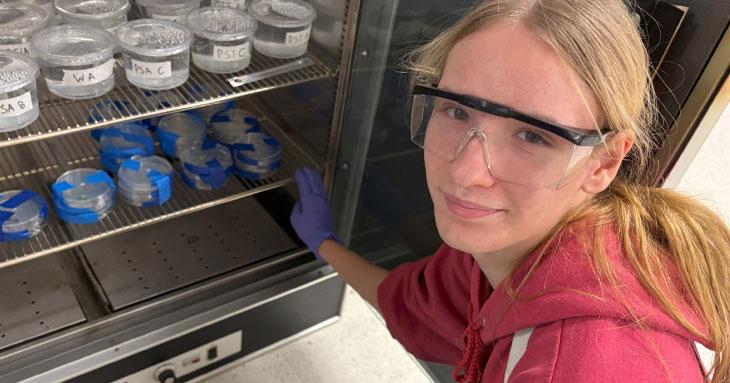
I am trying to gather all the ingredients necessary to cook up an impactful career in food science. Many tribal lands today are classified as food deserts — areas where grocery stores are scarce. The alternative is typically convenience stores stocked with products that aren’t fresh and nutritious or likely to be on a shopping list for traditional cuisine. Food is much more than calories: it connects us to each other, to the Earth, and to ceremony. Food science, therefore, is vital to advancing tribal resilience and sovereignty.
-
ZACHARY DAVIS | CHEROKEE NATION | HERITAGE HALL HIGH SCHOOL
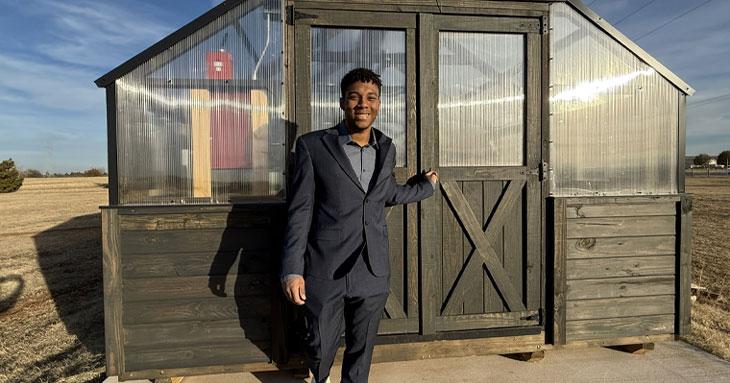
It was a Tuesday morning like many others, until I turned on the TV and saw the news coverage of the Hawaii wildfires. Seeing the devastation caused by the wildfires, I was determined to help, and the Hawaii wildfire project and my path through the sciences solidified that night. Now, I am a senior at Heritage Hall in Oklahoma City. I’ve used my time there to hone my interests, and I’m excited to explore the areas of plant science and microbiology in college.
-
GENIEVIEVE BORG | ANISHINAABE | UNIVERSITY OF GUELPH
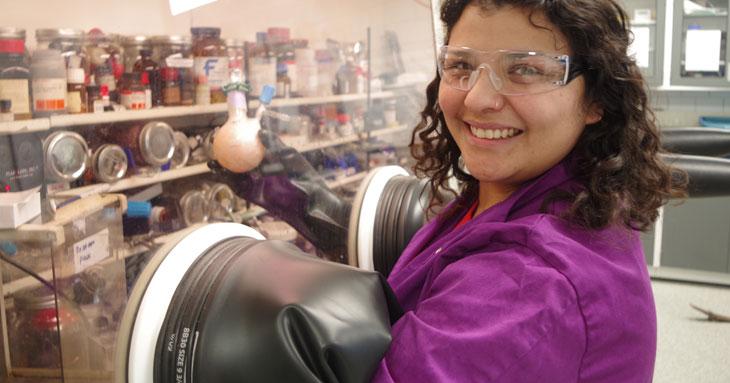
My research focus is molecule-based magnetic materials — we make different molecules that demonstrate “magnetic memory.” If we alter the temperature, pressure, or magnetic field, bonds on the molecular level can break and reform. The science is applicable to technological advancements, such as materials in computer chips.
-
BRYCE ALEXANDER BURRELL MISSISSIPPI BAND OF CHOCTAW INDIANS VIRGINIA TECH | Agricultural Leadership and Community Education
The lush Shenandoah Valley, which I’m grateful to call home, offers the perfect place for my family to garden, forage, and cook our traditional foods. Although far from our Choctaw community, I sought out opportunities to learn more through visiting family. My sister and I also grew up around traditional foods, like our heirloom squashes and corn, and those experiences grounded my understanding of Indigenous foodways from an early age.
-
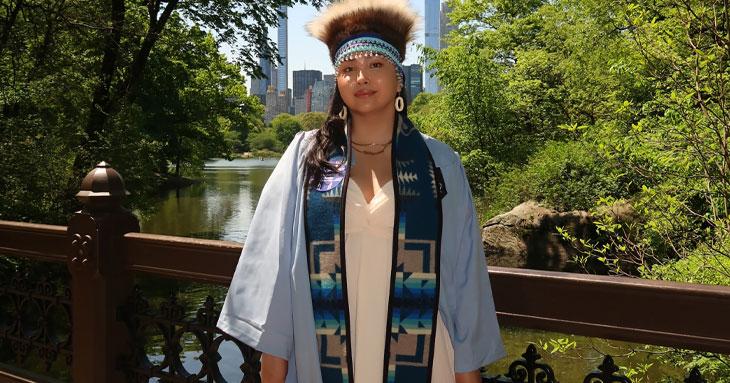
CHARITIE ROPATI YUP’IK AND SAMOAN | COLUMBIA UNIVERSITY | Civil Engineering
From the time I was a young girl, I’ve wanted to help my people, the Yup’ik. Our remote Native village, Kongiganak, is in Southwest Alaska just a few miles from the Bering Sea. Living near the Kuskokwim River, which empties into the sea at the Yukon-Kuskokwim Delta, I saw that engineering solutions can play a critical role in preserving our lands, our homes, and our way of life.