
It’s the Only National Science Fair Supporting the Bright Future of Indigenous STEM
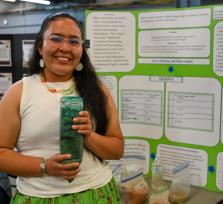
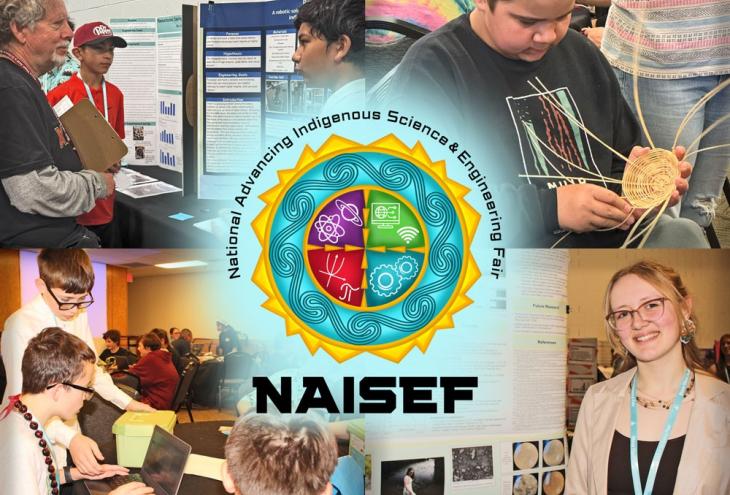
If you want to feel optimistic about the rising generation, come to NAISEF (the National Advancing Indigenous Science and Engineering Fair). This unique event offers students in grades five through 12 an opportunity to show off their research projects, and just as important, meet each other and articulate their findings. It’s the place to go to witness the promise, perseverance, and creativity of aspiring young Native scientists.
The NAISEF Impact
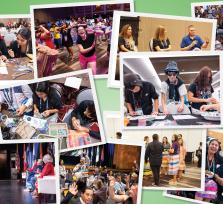
This keystone AISES event gives students a chance to experience intentional, methodical science and explain their research to the fair’s volunteer judges as well as to parents, teachers, fair visitors, and other exhibitors. Participants can also connect with mentors and each other as well as network with exhibitors, colleges, and nonprofits at STEM Day and participate in STEM activities. It’s a place where bright students and their teachers can meet peers from multiple tribes and states and see that they are not alone in their pursuit of STEM.
AISES organized NAISEF in 1988, and in the intervening decades the event has launched hundreds of Indigenous students on STEM paths and future careers. NAISEF has been growing in popularity since its inception, and the event shows no signs of shrinking — with more than 450 people registered, last year’s event was double the size of the previous fair.
A Unique Science Fair
NAISEF is a Society for Science and the Public (SSP)–affiliated science fair and part of the larger SSP fair network. NAISEF also abides by the regulations of the Regeneron International Science and Engineering Fair (ISEF) as well as standards established by SSP and AISES.
NAISEF meets those high standards, but it is doubly unique: not only is it focused on Indigenous participants, it is also both an in-person and virtual fair. A dozen years ago NAISEF expanded to a hybrid event, offering aspiring young scientists in remote locations the opportunity to participate virtually. Today hybrid NAISEF attracts participants from across the country. In 2025 NAISEF gave a record-breaking 102 in-person presenters and 34 virtual presenters a chance to shine. This year the in-person participants will gather in Oklahoma City, April 10–11, with the virtual fair held on April 3.
NAISEF Benefits Everyone
NAISEF competitors come away with more than valuable experience, gratifying feedback on their research, and a gold star for their college application — they are also eligible for monetary and specialty awards. While criteria for the numerous specialty awards vary, all students compete for the division awards — the Junior Division includes grades five through eight, and the Senior Division grades nine through 12.
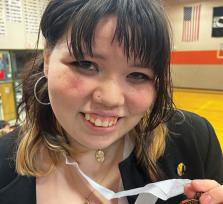
Two Senior Division Grand Award winners (one in the science category and one in engineering) and their sponsors win an expenses-paid opportunity to attend ISEF — to be held this year in May in Phoenix — where the NAISEF winners can present their project to a global audience that includes participants from more than 70 countries. To see the 2025 winners and their projects, click here.
Where the Action Is
The first day of NAISEF begins with poster setup as the participants prepare for their big day, followed by judging. The public is welcome to view the projects once the judging is concluded, and during the afternoon, students are encouraged to visit the exhibitors at STEM Day and participate in cultural and STEM activities like a FIIRE (Fostering Indigenous Innovation in Robotics Education) hackathon. Educators have their own dedicated workshop as well as their own lounge. The first day of NAISEF concludes with a dinner where participants have a chance to get to know each other in a relaxed setting. Day two of NAISEF, which offers more STEM Day opportunities and activities, concludes with an awards ceremony and closing dinner. To learn more about NAISEF, click here or contact NAISEF@aises.org.