-
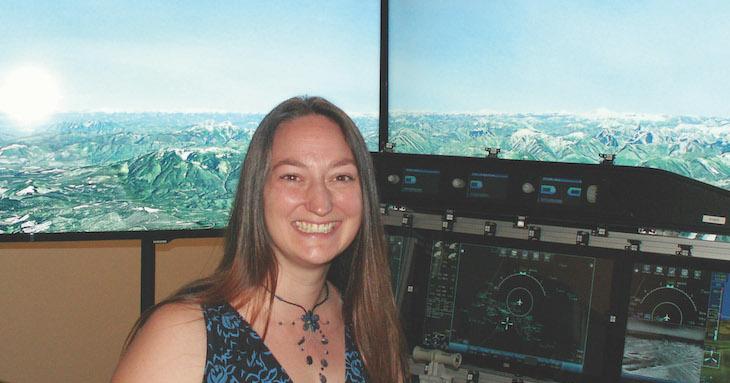
Laura Smith-Velazquez: 2020 Technical Excellence Awardee / Eastern Woodland Cherokee
When Laura Smith-Velazquez was eight years old, her parents got her a telescope. The dark sky over Dorr, Mich., made for the perfect laboratory for Smith-Velazquez, an especially curious child. “I was fascinated with the sky,” she recalls. “It was so beautiful and I had so many questions.”
-
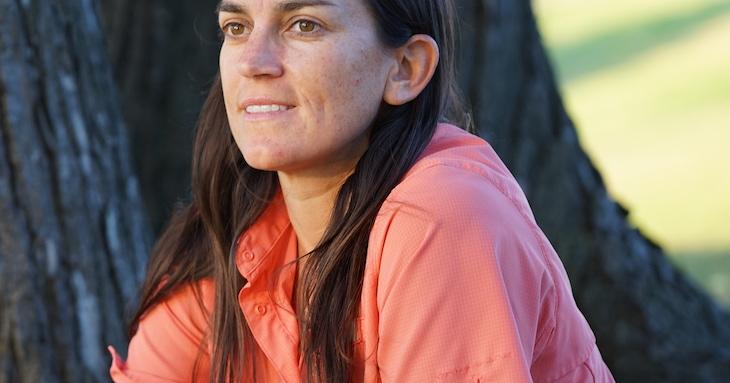
Dr. Serra Hoagland: 2020 Most Promising Engineer or Scientist / Laguna Pueblo
Though she didn’t know it at the time, Dr. Serra Hoagland’s upbringing put her on a path to becoming the only Native woman with a PhD to work for the U.S. Forest Service. Growing up in Placerville, Calif., a small town west of Sacramento in the foothills of the Sierra Nevada, Dr. Hoagland just knew that she wanted to be outdoors. “My biggest thing was to finish my homework and go outside — that was my goal for the day,” recalls Dr. Hoagland, this year’s winner of the Most Promising Engineer or Scientist Award.
-
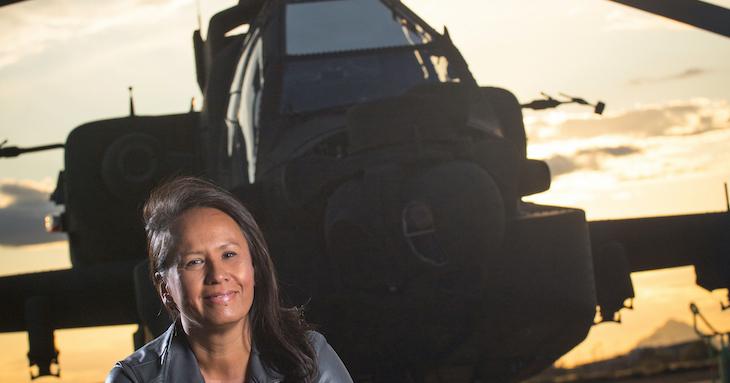
Kathleen Jolivette: 2020 Professional of the Year / Rosebud Sioux
When Kathleen Jolivette first joined The Boeing Company in the early 2000s, she had little in common with her fellow interns. By the time she arrived at Boeing, Jolivette had spent eight years in the U.S. Army, already started a family, and obtained her undergraduate degree. “I was in my late 30s.” says Jolivette. “I always joked about being the oldest.”
-
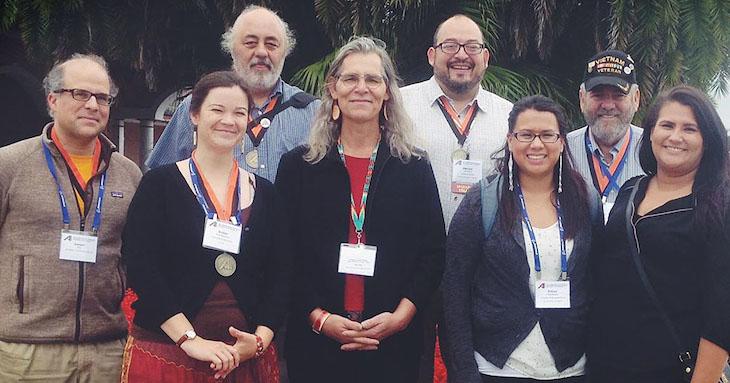
Five Great Ways to Volunteer Through AISES
As a high school or college student, you may have been connected to AISES in any number of ways. Now, as a working professional, you may find it harder to keep those ties with the organization. One simple way to make sure you stay connected and involved — and support the AISES mission — is volunteering. There are many great ways to volunteer with AISES as a working professional. Here are just a few.
-
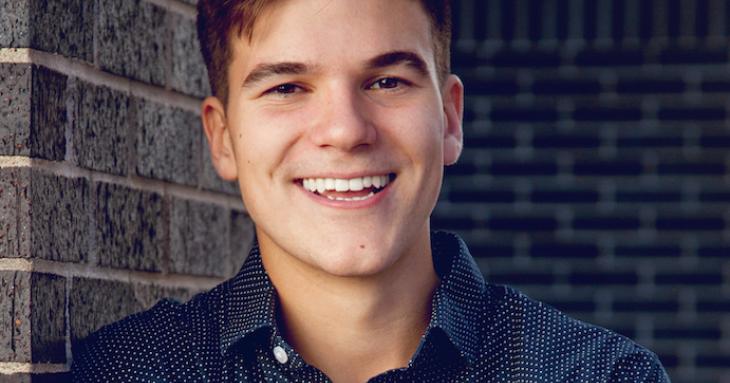
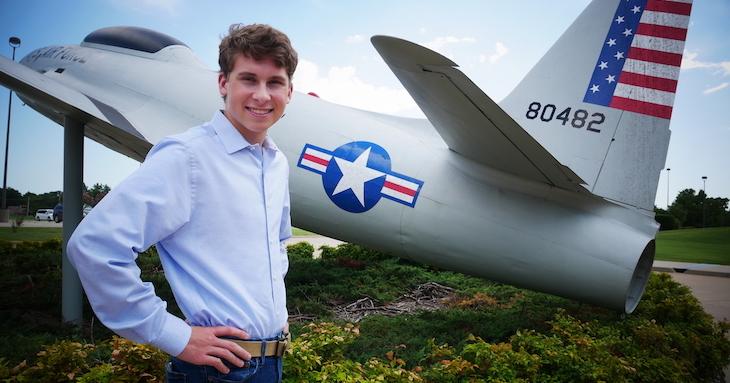
JohnDavid Lancaster / Muscogee (Creek) Nation / University of Arkansas
When JohnDavid Lancaster was in fifth grade, his mother was laid off because she didn’t have a college degree. But she unmistakably modeled the value of education when she went back to school full time to earn her degree in nursing while working a full-time job and a part-time job and taking care of Lancaster and his sister. By the time he was in ninth grade, his mom had completed her degree and taught her children a powerful lesson about tenacity. Her experience also showed Lancaster how important a degree would be to get the kind of job he wanted.
-
Liam Puls / Cherokee Nation / Victory Christian School
For the past three years Liam Puls was part of a small STEM school: the Oklahoma School of Innovation and Experiential Learning, in Bixby. He was in the school’s first class, with a cohort of only 15. Now, it has students from seventh to 11th grade. “We were able to do things that regular students don’t get to do, like travel to Peru and Boston, and visit companies like SpaceX and Boston Dynamics,” he says. “Amazing field trips!”
-
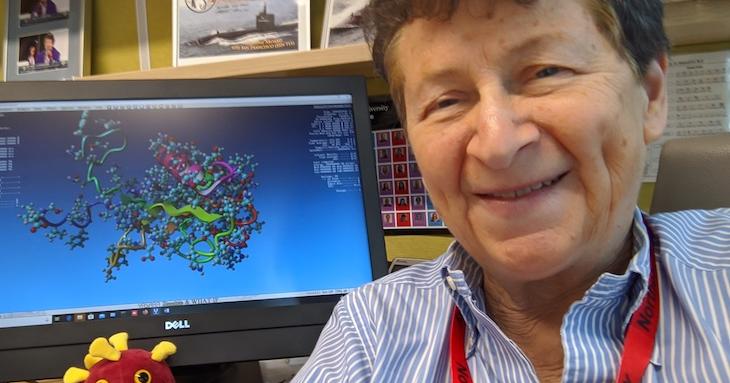
Dr. Mary Jo Ondrechen / Mohawk Nation (Kahnawake Band) / Turtle Clan / Northeastern University
Enlisting her decades-long research skills, Dr. Mary Jo Ondrechen is all in for the fight to understand — and ultimately defeat — the coronavirus. Dr. Ondrechen and her team are researching the SARS-CoV-2 virus, which causes COVID-19, at her laboratory at Northeastern University in Boston, where she is a professor of chemistry and chemical biology and principal investigator of the Computational Biology Research Group.
-
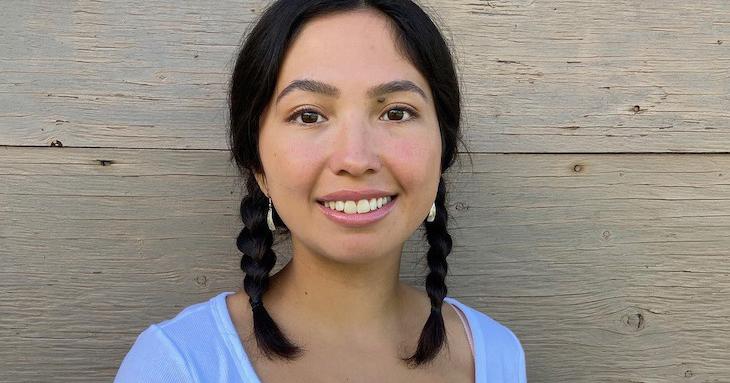
Olivia Baptiste / Soda Creek Indian Band / University of British Columbia
Olivia Baptiste has been drawn to science since elementary school. “I loved presenting at the science fairs,” she says. That interest has blossomed into focused studies in biology at the University of British Columbia in Vancouver. While the field has always been a favorite of hers, the biology course she took in her first year cemented her interest. Now in her third year at UBC, she is preparing for the MCAT and pursuing her goal of becoming a physician someday.
-
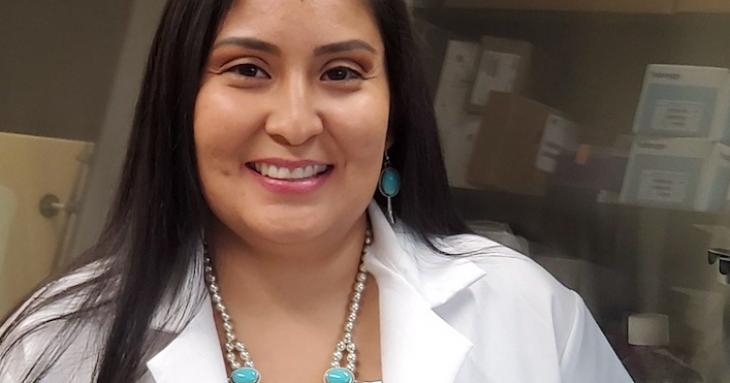
Dr. Kristina Gonzales-Wartz / Navajo Nation / National Institute of Allergy and Infectious Diseases
These days the lab where Kristina Gonzales-Wartz works is a very busy place. A biomedical scientist with the National Institute of Allergy and Infectious Diseases (NIAID) at the National Institutes of Health (NIH), Dr. Gonzales-Wartz has joined the Laboratory of Immunogenetics in Rockville, Md., on an urgent mission to develop monoclonal antibodies against COVID-19.
-
Sustaining Wildlife — Sustaining Culture
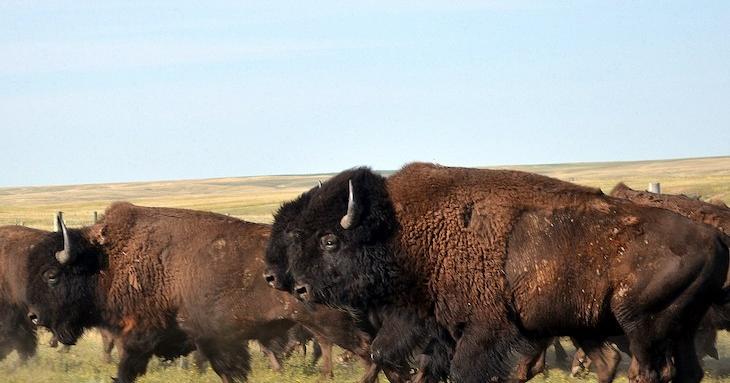
Protecting the animals that support the life of a community has always been a focus for Indigenous people. In some places that mission became a bit easier during the pandemic lockdown, as the human retreat gave animals space to flourish. But the mission goes on and its importance transcends nutrition because the species that sustain a community inevitably become an inextricable part of its culture.