-
How to Start and Grow an AISES College Chapter
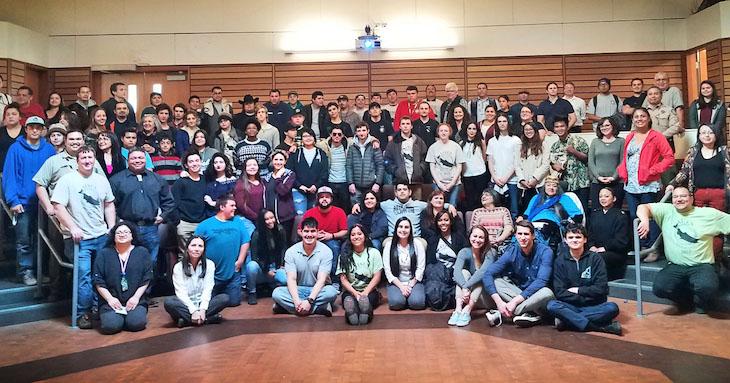
You did it! You made it to college and are ready to start making the most of everything your campus has to offer. As a Native student, your identity is part of who you are, and something you want to celebrate and explore with other likeminded students. One way to do that is to join or start an AISES College Chapter. Here’s how to start a chapter at your school.
-
How to make the most of the AISES National Conference
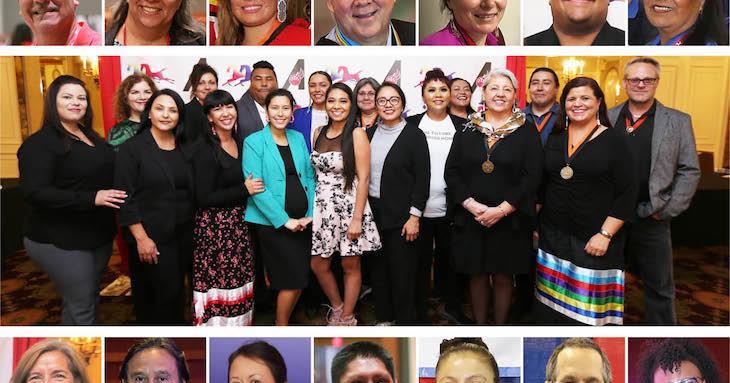
The countdown is on. It’s almost time for the AISES National Conference, an annual highlight for thousands of Indigenous professionals throughout North America and beyond. The conference will be making its virtual debut on a 100 percent online platform, giving participants new ways to make the most of three action-packed days. This year’s all-virtual format will include opening and closing ceremonies, a keynote address, a talking circle, expert-led topical sessions, research presentations, mixers, and Indian Country’s largest College and Career Fair.
-
How to make the most of the AISES National Conference
The AISES National Conference is known for breaking new ground every year, and 2020 will be no exception. This year’s event is 100 percent virtual and has the potential to bring together more STEM participants than ever before.
-
Not Hearing Back from Prospective Employers? Here Is What To Do.
Whew! You’ve just finished another interview, and you’re hoping to hear back soon. You constantly check your email and phone, but nothing comes through. As the days go by and you don’t hear anything, you wonder what your status is. You contact the company. If you’re lucky, you hear back right away. If not, you’re just left wondering. So what can you do when you aren’t hearing back from prospective employers?
-
How to Tell Your Native Story on a College Application
If you’re like most students, you’re not exactly looking forward to the high stakes college application process. How do you write the perfect essay? How do you share with reviewers everything you want them to know about you? Will sharing your Native heritage help make your application stand out? Here are some tips for telling your Native story on a college application.
-
If I Only Knew Then
Stories are powerful and provide a sense of culture, history, and personal identity. A person’s story is a compilation of life’s journey, packed with experiences and lessons learned along the way. A few Intel employees wanted to share their stories through open letters to their younger selves, offering advice and encouragement.
Dear Georgia,
-
How to Benefit from Feedback, Constructive and Otherwise
We’ve all heard it: workplace feedback, constructive or otherwise. Sometimes we’re expecting it, and sometimes we’re not. Whatever the circumstances, receiving criticism — or praise, for that matter — is a significant skill that can almost always be improved by applying some thought and practice. With companies and organizations spending millions every year on employee engagement programs — and workplace engagement levels at a record high in the United States — feedback conversations are in your work life to stay.
-
Intel and AISES: A History of Engagement
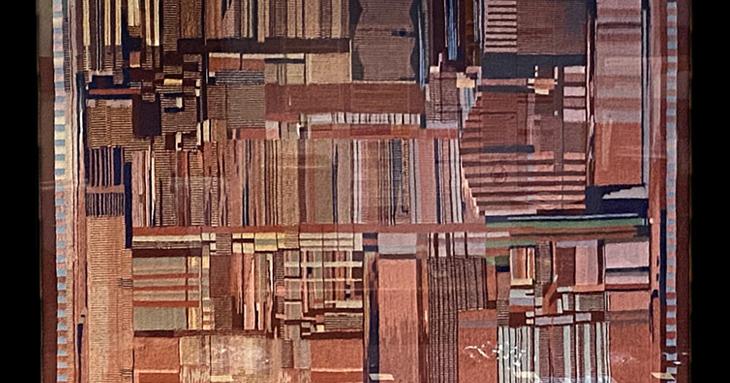
Intel’s engagement with Native American communities spans more than two decades, dating back to the early 1990s when Craig Barrett, Intel’s former CEO, commissioned Marilou Schultz, a Navajo weaver and math teacher, to weave an image of the Pentium microprocessor into a rug. During Barrett’s keynote speech at the 1994 AISES National Conference in Santa Clara, Calif., he presented the weaving as a gift to AISES to commemorate Intel’s relationship with and support of AISES. The rug is still on display at the AISES national headquarters in New Mexico.
-
Ask for Help: It Could Lead You to Your Dream Job
Charles Mokhtarzadeh, PhD, Synthetic Chemist, Components Research, Intel Corp.
Tribal affiliation: Picayune Rancheria of the Chukchansi IndiansAs I have progressed through my life, asking for help has only become more critical to my success. Be it under professional or personal circumstances, I’ve learned that seeking guidance is a skill to be honed as opposed to a crutch to stumble over. It is not always easy to ask for help but in asking problems are solved, challenges are championed, and relationships are built. It is a powerful skill set to seek and cultivate.
-
Intel Foundation Supports the AISES T3 Fund
As part of Intel’s commitment to provide contributions in support of coronavirus relief efforts in communities, the Intel Foundation contributed $50,000 to the AISES T3 (Together Towards Tomorrow) Fund, which provides scholarships to Indigenous undergraduate and graduate students enrolled in an accredited U.S. college or university who have been affected by the COVID-19 pandemic.