-
Science Fair 101
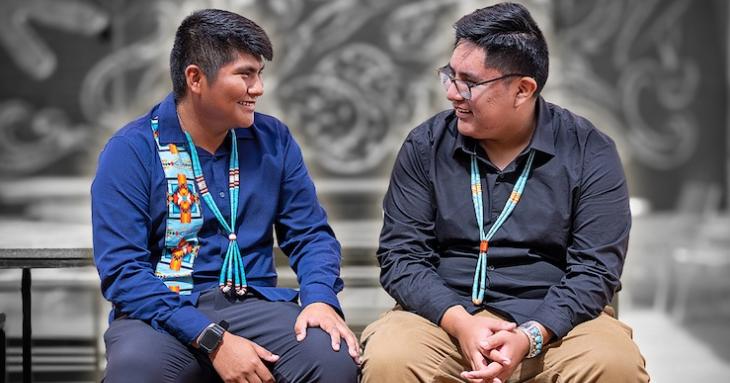
For some students, the science fair has become a tradition to look forward to each year. For others, it’s a frightening new challenge. Whatever your experience level may be, participating in a science fair provides much more than competition. The experience offers an opportunity that could influence your academic path or even your career. While only a handful of students walk away with an official award, most leave with the lasting prize of a new mentor, peer network, or professional aspiration. Entering a science fair doesn’t have to be complicated.
-
On the Road: Business Travel Know-How
No matter where a business trip takes you, representing your organization on the road is an important responsibility. Between making reservations, checking airport logistics, gathering meeting materials, and packing — clothes and charging cords — the prospect of travel may leave you feeling overwhelmed. With some tried-and-true tips, you can confidently set off on a successful trip.
-
Finding Your Place at College
Your life, especially in college, will start to make sense if you give it some time. You’ll find your people. You’ll find the right clubs and organizations. You’ll find a major suited to your talents and goals, and eventually you’ll find a job. What may seem hopeless and overwhelming in your first few months at college will become brighter and even fun by spring semester. While it’s hard, try to be patient with yourself and the process — you will settle in. Here are some tips for finding your place at college.
-
How to Make the Most of the AISES National Conference
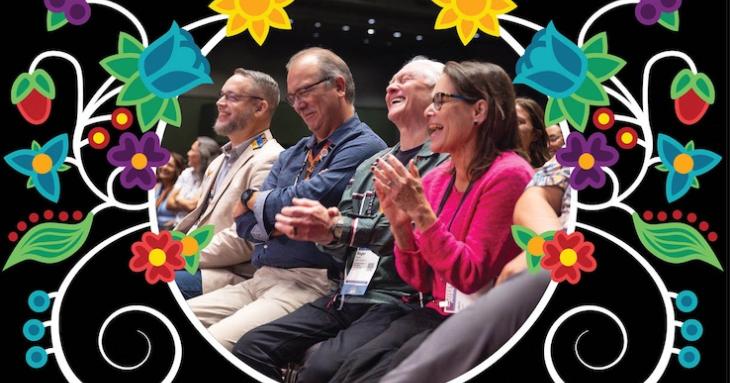
It’s true what they say — you get out of it what you put into it. That’s especially true of conferences. Just look around and you’ll see a big difference between proactive participants and passive attendees. Showing up ready to hit the ground running will make the three conference days a much better use of your time than just showing up and winging it. When you map out your conference plans, you maximize chances to network, strategically attend sessions, and get on the radar of the schools and organizations you want to target. Make It Your AISES National Conference.
-
How to Get the Most Out of the AISES National Conference
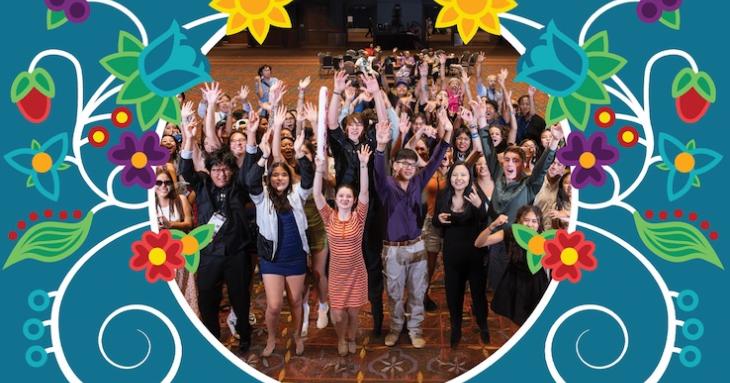
The countdown to the AISES National Conference is on! This year’s conference, with the theme We Are All Scientists, is in Minneapolis, October 2–4. If you’ve never been to an AISES National Conference, it’s an amazing opportunity for Indigenous students and professionals to learn, grow, and share their knowledge. With so much to do and so many people to see, it can be overwhelming. Here are a few ways to get the most out of your time.
-
How To Take Charge of Your Career
Whether you’re new to the professional world or a veteran, it’s important to be an active participant in your own career. Instead of waiting patiently for your manager to approach you with new responsibilities or more challenging work, seek out opportunities for growth and involvement beyond your immediate daily duties. Raise your hand when something is intriguing or when your team needs help. Any new experience contributes to your professional development and helps build strong relationships. Don’t sit back.
-
Tips for Transitioning to College
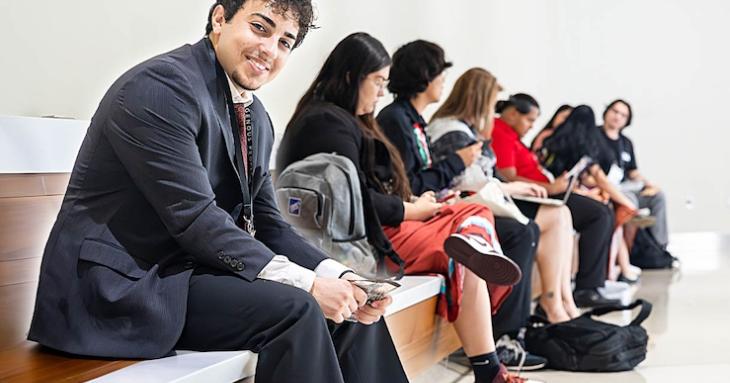
Moving from high school to college is a major change, and it’s normal to feel excited, nervous, and well, overwhelmed. Living in a new place, meeting new people, and learning how to manage roommates, course loads, and your newfound freedom can be a lot. But there’s one thing to remember — you’re not alone. Every other new student is in the same boat, even if they don’t show it. Whether it’s worrying about making friends, conquering your statistics class, or finding the best dining hall, you’ll inevitably experience some highs and lows during your first year.
-
Dr. Alvin D. Harvey | Diné | Space Enabled Research Group | Massachusetts Institute of Technology
Sometimes what matters isn’t where you go or how you get there, but who’s by your side. For Dr. Alvin D. Harvey, a postdoctoral fellow at MIT’s Space Enabled Research Group, that journey has taken him from a rural childhood to the forefront of Indigenous-led space research.
-
Ispitaki Chelle Brown | Blackfeet Nation | Skaggs School of Pharmacy | University of Montana
Growing up in a multi-generational household on the Blackfeet Reservation in Browning, Mont., Ispitaki Chelle Brown set her heart on a career in health care. She was inspired by her great-grandmother, who was a nurse, and her great-grandfather, who passed along her legacy. “I was born to serve my people,” Brown says. “Serving others in my community keeps me tied to my culture.”
-
Angélica Noel Lozano-Romines | Chickasaw, Choctaw, Mississippi Choctaw, and Mexican | Gaming is Rezilience
Angélica Noel Lozano-Romines became an aunt at the age of seven. As the youngest of five, Lozano-Romines often took care of her nieces and nephews. That experience solidified what she had always known: that she wanted to support children and their development.
Lozano-Romines grew up in a predominantly BIPOC community in Ardmore, Okla., then moved to a smaller rural area for high school, where only a few students looked like her. This experience gradually led her to assimilate, which resulted in experimenting with blue-colored contacts during her early college years.